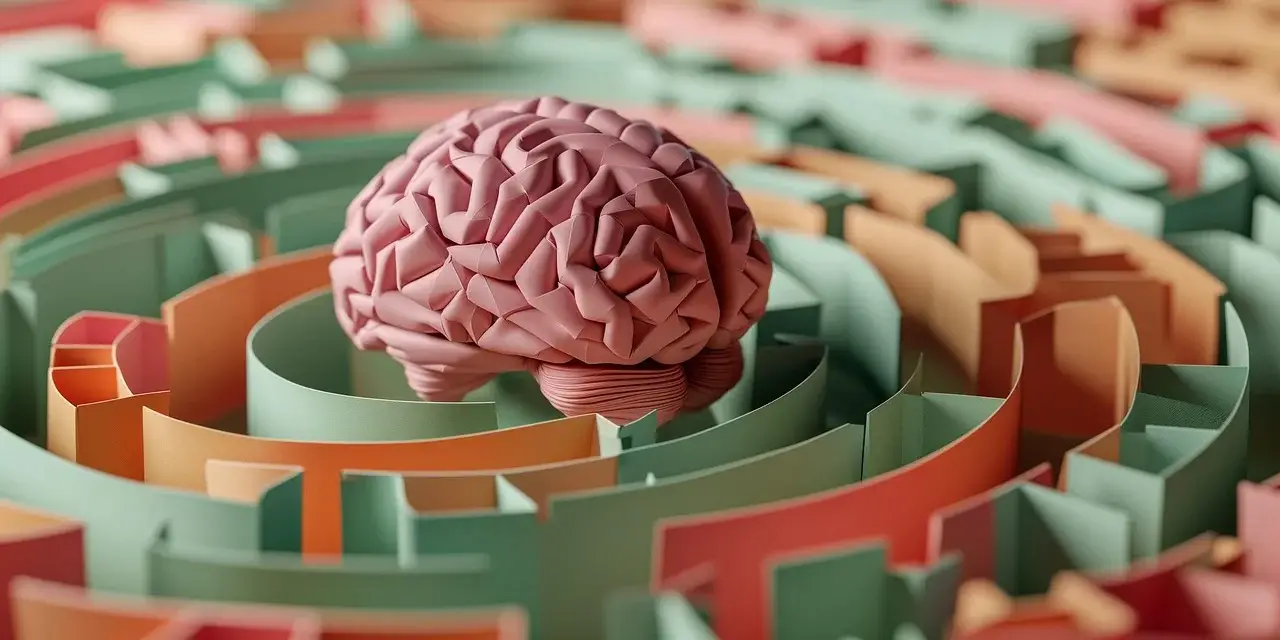
Mental health awareness has become one of the most pressing issues of the twenty-first century. Recognizing the importance of mental health is no longer a real “nice-to-have” with increasing stress, worry, and depression. Mental health affects how we think, feel, and act in our daily lives; it affects how we manage stress, relate to other people, and make choices. Unfortunately, it is still stigmatized and misunderstood despite its importance.
This site will focus on how to promote mental health awareness relative to its importance, the barriers we face, and tangible ways to generate an emotional balance in our lives.
What Is Mental Health and Why It Matters
Mental health simply defines how we feel, think, and engage with the world around us. It is an important component of our well-being and is comparable to our physical health. Just like our bodies need care, our mental health also needs care and maintenance.
When mental health is detrimentally impacted, it can create significant complications, including chronic stress and anxiety, depression, self-medication, and/or suicidal ideation. Conversely, when we take care of our mental health, we can engage with our highest potential, manage life’s peaks and valleys, perform at work, and contribute to our communities.
The Growing Importance of Mental Health Awareness
In recent years, the dialogue surrounding mental health has exploded, particularly due to global events, including the COVID-19 pandemic. Feelings of loneliness, stress, and burnout surged as people adjusted to new and challenging conditions. This shift made the importance of the conversation regarding mental health not only valuable, but vital.
It is important to understand mental health because:
- Decreases stigma: Many people are afraid to reach out for help because they are afraid of judgment. The more awareness we spread, the more acceptance and compassion we will have.
- Encourages education: It enables you to understand that mental illness is NOT weakness. It is a medical condition that can be controlled.
- Encourages early intervention: The sooner the symptoms are identified, the sooner the condition is not permitted to worsen.
- Creates a supportive community: When we have more understanding of mental health, we can provide hope, support, and understanding to our friends, family, and coworkers.
The main goal is to develop a society that treats mental health issues as seriously as physical health issues.
Common Mental Health Issues in Today’s Society
Depression
Depression is one of the most widespread mental health issues among populations throughout the world. It can truly affect how someone feels, thinks, and lives their daily life. Symptoms typically involve persistent sadness, a loss of interest in previously enjoyable activities, fatigue, and difficulty focusing.
Anxiety Disorders
Anxiety is a natural reaction to stress, but when the anxiety is excessive, it can prevent someone from functioning in their normal routine. Generalized anxiety disorder (GAD), panic disorder, and social anxiety disorder are some common components of anxiety affecting millions of people worldwide.
Stress and Burnout
In modern life, there is an expectation of continuous performance and task completion, which leads to chronic stress and eventual burnout at the workplace. This will affect a person’s productivity and long-term health.
Bipolar Disorder
Bipolar disorder also contains extreme mood swings with the highs being described as manic episodes and the lows affecting a person with depressive episodes. Education and knowledge can ensure identification and management at an earlier stage.
Post-Traumatic Stress Disorder (PTSD)
PTSD is a mental disability that requires the experience or witnessing of a traumatic event. Symptoms include flashbacks or intrusive memories, nightmares, and severe anxiety.
How to Promote Mental Health and Emotional Resilience
Better mental health starts with purposeful action, awareness and small adjustments to lifestyles. Here are some simple ideas to build emotional health.
Practice Self-Care
Taking time for yourself is not selfish – it’s needed! You can be more mindful inside; reading, meditating or taking a walk in nature are great sources of mindfulness.
Build Strong Social Connections
Being with others is one of the best healers of sadness. Talking with your friends, family or even in support groups can be comforting and members of these support groups understand.
Exercise Regularly
Physical activity gets endorphins, our natural ‘feel good’ hormones that give us energy and make us feel happy. It’s best to have at least 30 minutes of physical activity almost any day of the week.
Maintain a Healthy Diet
Healthy Diet Nutrition is a huge part of mental health. Foods high in omega-3 fatty acids, vitamins and minerals can help improve brain function and overall reduce stress levels.
Practice Mindfulness and Meditation
Mindfulness includes being aware of the present moment. It is a way for many to reduce anxiety and have better awareness or clarity.
Seek Professional Help When Needed
Therapists, counselors, and psychiatrists are trained to help individuals manage their mental health. Seeking help is a sign of strength, not weakness.
The Role of Education and Media in Spreading Awareness
Education and media are key factors in public perception. Schools, universities, and workplaces should expand programs that teach emotional intelligence and coping mechanisms for stress.
Social media can also be utilized for good to heighten awareness, share stories and normalize asking for help. When celebrities and other social media influences share their stories, they facilitate discussions about mental health that are constructive and relatable to the average person.
Breaking the Stigma Around Mental Health
One of the greatest difficulties in reducing the stigma around mental health is stigma. Many individuals fear being deemed “weak” or “unable” and would rather not share their feelings or seek therapy. In order to disrupt this cycle.
- Facilitate conversations about mental health.
- Replace judgment with empathy.
- Share accounts of people successfully accessing therapy and support.
- Train workplaces and classrooms to effectively respond to mental health.
The Future of Mental Health Awareness
The outlook for mental health care is looking bright as technology and digital health will soon be commonplace. Online counseling, mental health apps, and virtual therapy platforms are making mental health help more accessible than ever before. Artificial Intelligence (AI) is also being used to identify early signs of mental illness using behavioral data as feedback.
Governments and organizations across the globe are investing in mental health policies, research, and community-based initiatives. The idea is to create a world where mental wellness is valued in the same way as physical health is valued.