Burning calories and efficiently using energy is pivotal to a body’s overall health and performance. Metabolic health also determines how well a body digests food. Level of energy, digestion, and calorie usage is affected by how fast or slow a body’s metabolism is. Life is busy for most, and a fast metabolism can be hard to achieve with the common sedentary, high stress, and poor eating behavior. The good news is, there is a way to quickly and effectively achieve weight loss, improvement in stamina and energy, and overall boosted health by simply including a few certain exercises to the weekly routine. This guide outlines exercises and routines that can help achieve various health goals, be more adaptable to a fast paced lifestyle, and most importantly, boost metabolism. Practical experience and research is the basis for the writing in this guide.
Why and How to Understand Metabolic Health and How to Understand Metabolic Health

The body’s metabolism is the way that the body turns food into energy. With a faster metabolism, the body can rest and still burn calories. Nutritional absorption is increased and hormonal balance throughout the body is achieved. With low metabolism, weight loss is more difficult, and a body will feel less energized, and will just overall be less active.
Exercises that raise your heart rate, engage several muscle groups, and get your body to naturally use burnout calories are the most effective to use for metabolism boosters. The objective is to structure physical activity that keeps your body working even more during and after the workout.
The Most Effective Exercises to Boost Metabolism (Based on Scientific Research)
1. High-Intensity Interval Training (HIIT)
HIIT is among the most effective strategies to boost metabolic rate. This workout involves back-to-back short periods of high activity and brief intense focus rest periods.
HIIT brings on the after burn effect, scientifically termed as EPIC (Excess Post-Exercise Oxygen Consumption), whereby the body spent hours during the workout and for hours of continued caloric expenditure after the workout was over.
Some instances are:
– 30 second sprint
– Jump squats
– Bur pees
– Mountain climbing
Even 15- minute of HIIT session can substantially boost metabolism.
2. Muscle-Building Workouts: Strength Training
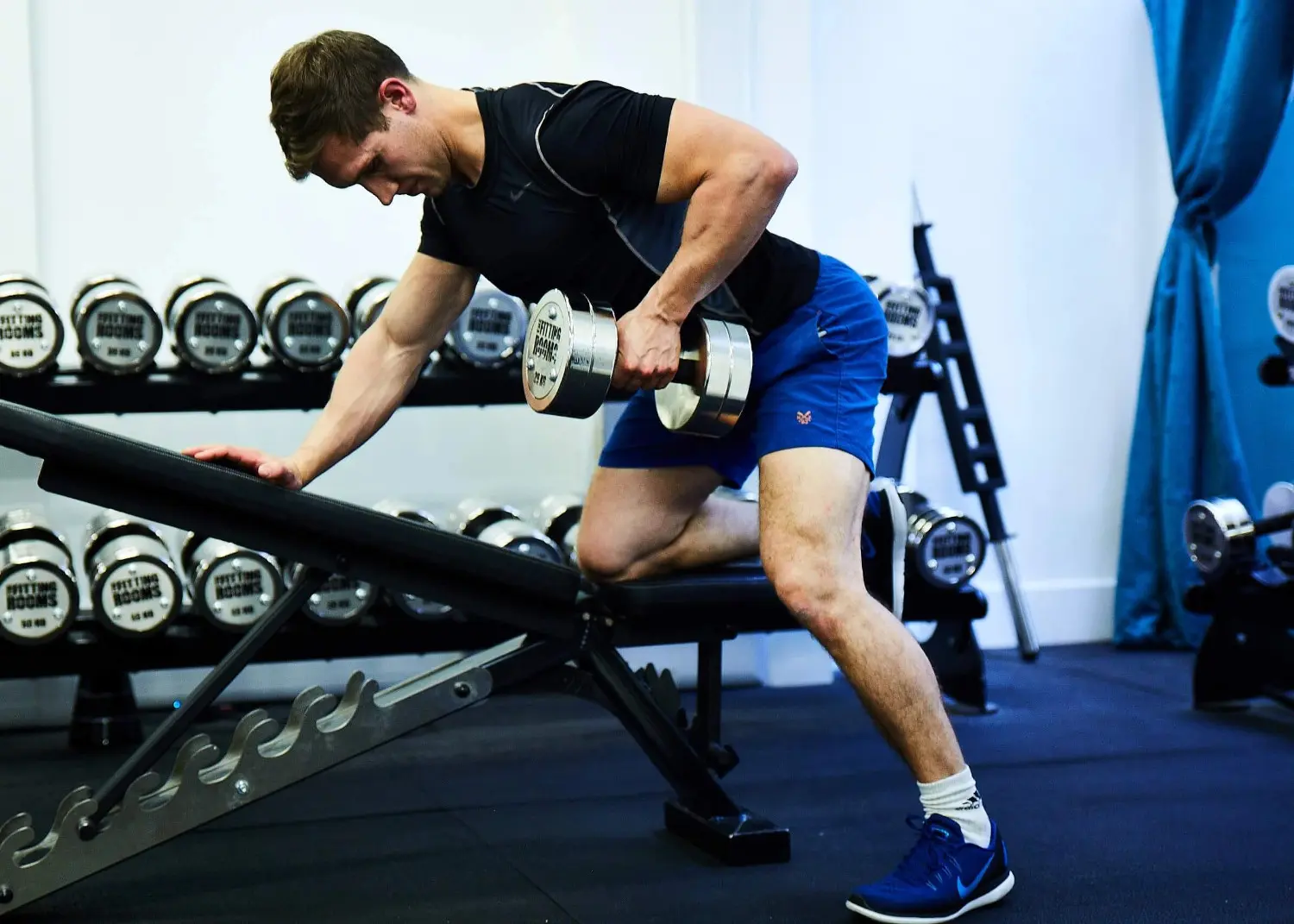
The most fundamental way to boost metabolism is to build more muscle. This is because muscle tissue can burn a considerable amount of calories as opposed to fat even during rest. The body’s basal metabolic rate is elevated when strength training is on effect.
Some effective strength training exercises are:
– Squats
– Lunges
– Dead lift
– Push ups
– Resistance band and dumbbell workouts
To bring a metabolic transformation, weekly 2-3 of strength training or workouts is a minimum and consistency is the key.
3. Jump Rope (Full-Body Calorie Burner)
Rope jumping is an exercise that works out virtually all muscle groups. It is a form of cardio that is also excellent for coordination, leg strengthening, core toning, and it elevates the heart rate.
Rope jumping is a great way to stimulate metabolism and generate energy due to its ability to burn a high amount of calories. Rope jumping for 10 minutes is said to burn the same amount of calories as 30 minutes of jogging.
4. Running Or Brisk Walking (Natural Metabolism Booster)
Running and walking are phenomenal, uncomplicated, and effective ways to improve your metabolism. These activities also improve circulation, enhance the flow and use of oxygen, and further ignite the body’s fat-burning processes.
A daily 20-minute brisk walk can lead to very noticeable advancement for novice levels.
Calorie burn is increased and metabolism is further stimulated throughout the day for intermediate and advanced users.
5. Cycling (Low-Impact, High-Energy Workout)
People who prefer less impact in their workouts, especially on their knees and joints, tend to like cycling as it is a highly recommended choice for them. Regular cycling also increases the body’s overall calorie output, improves stamina, and helps build leg muscles.
Cycling is effective metabolically, in both outdoor and stationary cycling, especially when done at a moderate to high-intensity level.
6. Swimming (Activating the Whole Body Metabolically)
When it comes to working out, swimming stands out as one of the best activities, and that’s because it works many diverse muscle groups at once, making it one of the best workouts for boosting metabolism. Moreover, one benefits from the resistance of the water, which is a way to burn off excess calories. Swimming has respiratory benefits and is good for the heart as well and all of this works to have a metabolism that is even more efficient.
How Long Should You Exercise for the Purpose of Increasing Metabolic Rate?
In order to increase one’s metabolism, it is best to do one of the following:
Reach a total of 150 minutes over the course of a week at a moderate level of exercise, or
Complete 75 minutes at a high level of exercise, or
Complete 3 to 4 sessions that have been organized as HIIT (High Intensity Interval Training) that are approximately 15 to 20 minutes each.
It is important to note that in this case, regular workouts are more impactful than duration, and this is of course for the purpose of keeping one’s metabolism at a level that is stable.